IMD Issues Heavy Rain Alert for Eastern UP, Bihar, Jharkhand as Monsoon Trough Shifts West
IMD warns of heavy rainfall across eastern Uttar Pradesh, Bihar, Jharkhand and the Western Himalayas today, as India's erratic 2026 monsoon continues to swing between deficit and deluge.
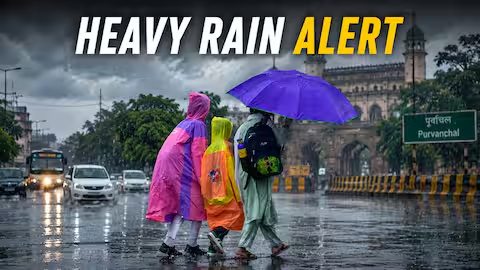
Large parts of central and eastern India are bracing for another heavy spell of rain.
The India Meteorological Department issued a fresh alert Wednesday, warning of isolated heavy to very heavy rainfall over eastern Uttar Pradesh and Madhya Pradesh through the day, with Bihar and Jharkhand also expected to see heavy showers. The Western Himalayan region isn't being spared either — IMD flagged the possibility of isolated heavy to very heavy rain there as well, as the monsoon system continues its erratic pattern this season.
None of this comes as a total surprise this year. India's southwest monsoon has been swinging unusually hard between extremes since it kicked off back on June 4 — dry stretches followed by sudden, intense downpours rather than the more even distribution forecasters typically expect. The country is currently sitting on roughly a 16% rainfall deficit for the season overall, even as specific regions get hit with short bursts of extremely heavy rain that trigger flash flooding almost overnight.
Assam has borne the worst of it so far. Flooding there between June and August affected more than 500,000 people and claimed at least 99 lives, according to figures compiled by researchers at World Weather Attribution. What's notable about their findings, though, is what they didn't find — the group's analysis concluded the flooding intensity wasn't unusual for the region and showed no clear signature of climate change driving the extreme rainfall itself. Instead, researchers pointed to land-use changes, sediment buildup in the Brahmaputra's channel, and structural vulnerabilities — decades of unplanned urban growth, deforestation, and the loss of wetlands that once absorbed excess water — as the real drivers behind why the flooding turned so destructive.
That distinction matters for how India responds going forward. If the core problem is infrastructure and land management rather than an unprecedented climate shift, it points toward different fixes — restoring wetlands, rethinking urban drainage, dredging river channels — rather than treating each flood as an unpredictable one-off.
For now, residents across the alerted states are being told to expect continued disruption. IMD's advisory covers today specifically, though the broader monsoon trough is expected to keep shifting over the coming days, meaning the alert zone could shift right along with it.