Nepal Flood Death Toll Nears 600 as Nearly 2,500 Remain Missing, With New Landslide Lakes Raising Fresh Fears
Nepal's death toll has climbed to 579 with nearly 2,500 people still missing across Nepal and China, as newly formed landslide lakes raise fresh flood risks and complicate ongoing rescue operations.
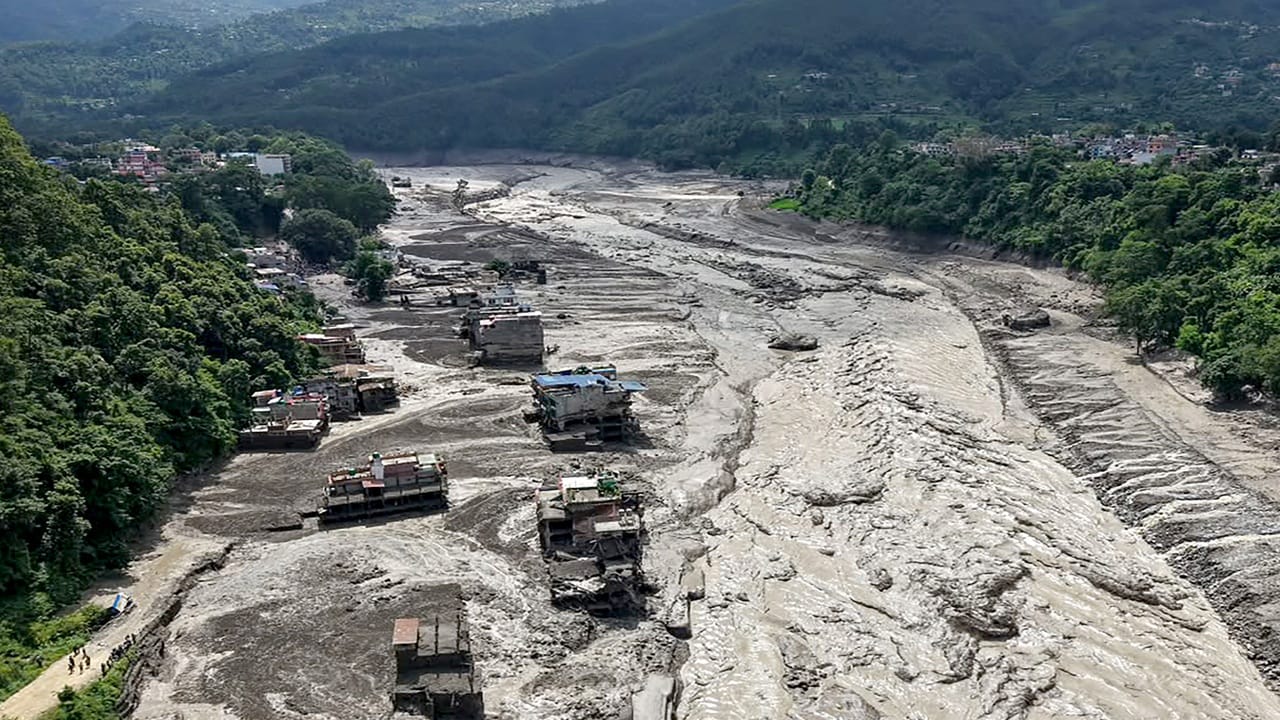
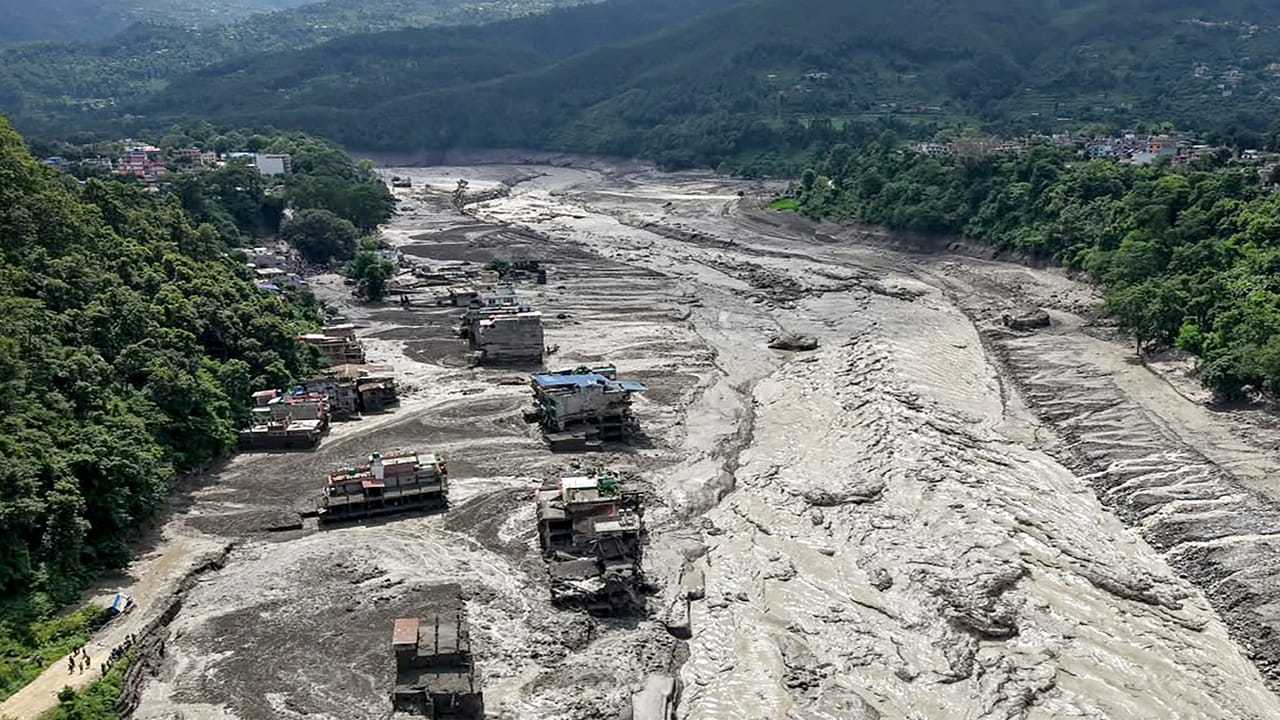
Three days after a glacier collapse triggered catastrophic flash flooding along the Nepal-Tibet border, the scale of the disaster is still coming into focus — and it keeps getting worse.
Nepal's National Disaster Risk Reduction and Management Authority reported Saturday that at least 579 people have been confirmed dead, with 1,924 more still unaccounted for — nearly double the agency's earlier missing-persons estimate. On the Chinese side of the border, state broadcaster CGTN reported seven confirmed deaths, with 554 people still missing in the Gyirong region. Combined, close to 2,500 people across both countries remain unlocated.
The disaster struck Wednesday when a mass of ice, mud, and rock broke free high in the Himalayas, sending a wall of debris and fast-moving water surging through the Trishuli River valley in Nepal's Rasuwa, Nuwakot, and Dhading districts. The US Geological Survey has since confirmed the event was caused by a glacial collapse, though the exact triggering mechanism remains under investigation.
Rescue operations have intensified through the weekend. Helicopters have carried more than 3,000 people to safety in Kathmandu and surrounding areas, with seven military and seven civilian aircraft flying repeated missions Friday alone. The Red Cross estimates roughly 90,000 people have been affected by the flooding in some way.
A troubling new development has complicated the search further. Satellite imagery captured Friday revealed a second lake has formed in the mountains near the original flood zone — a barrier lake created when debris from the initial collapse dammed a river channel. Jeffrey Kargel, a senior scientist at the Planetary Science Institute, described the footage as "extremely concerning," warning that water pooling behind such a natural, unstable barrier carries genuine risk of a second, sudden release. Nepal Police issued a fresh alert Friday after receiving reports that a similar dam on the Tibetan side of the border was already overflowing, instructing rescue personnel to remain on high alert and be ready to move to safety immediately if conditions worsen.
The human toll is playing out in painful, granular detail at recovery centers across the region. At Kathmandu's Maharajgunj Medical Campus, families have been faced with identifying loved ones through photographs of recovered bodies posted on the walls — a grim process complicated by the fact that many bodies, recovered three days after the disaster, have already decomposed beyond easy recognition. Of 49 bodies brought to the hospital as of Saturday, officials said only seven had been identified. Local authorities in Chitwan district confirmed that unidentified remains will have DNA samples collected before burial in an open space, citing both legal requirements and public health concerns about disease risk.
On the ground, rescue conditions remain difficult. Kawan Koirala, a rescue worker with the Nepal Scout Disaster Response Team, described crews struggling through thick, leg-sucking mud during search efforts — a physical obstacle compounding the already immense scale of the search area.
The disaster's reach extends well beyond the two nations directly affected. More than 500 foreign nationals from over 30 countries remain among the missing, including dozens of Americans, along with citizens of India, Malaysia, and Australia. In response, India has stepped up monitoring of glaciers in its own Himalayan border regions, with officials in the state of Uttarakhand specifically watching for similar instability given the shared mountain geography.
With more rain forecast across the flood-affected region this weekend, authorities on both sides of the border say search and rescue operations remain the immediate priority — even as the true scale of the disaster continues to grow with each passing day.
Have a lead on a story? Email us at tips@kanilprwire.com.