Wednesday started like any other day in Nepal's Rasuwa district. Within hours, entire villages were gone.
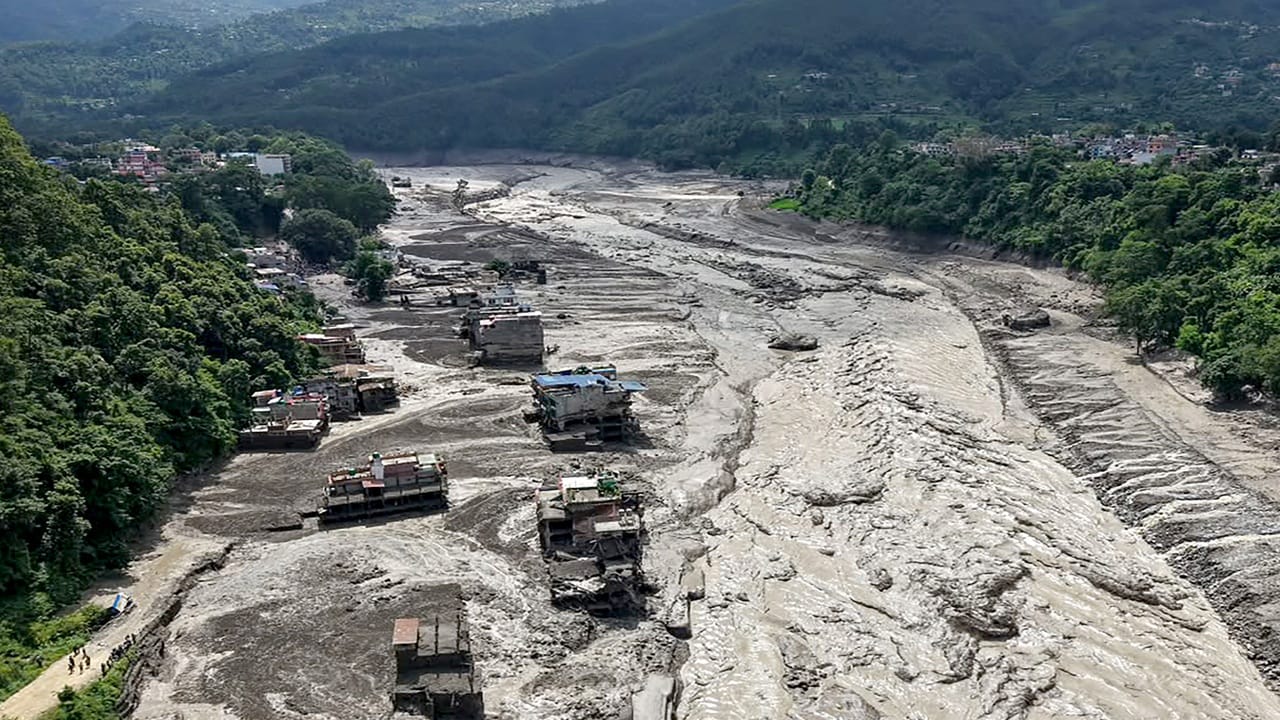
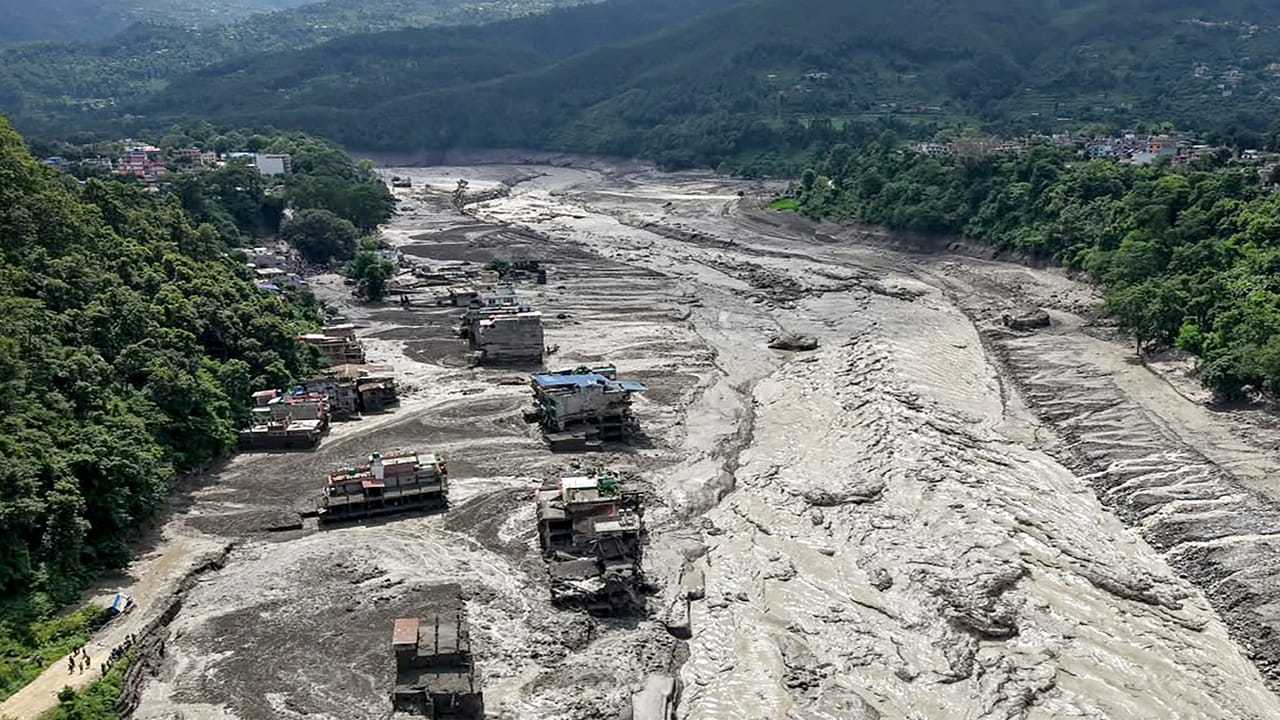
A massive flash flood tore through the mountainous border region between Nepal and Tibet after what officials believe was a large chunk of glacier breaking away high in the Himalayas, triggering a wall of mud, ice, and water that swept away homes, schools, bridges, and hydropower infrastructure with almost no warning. As of Thursday, Nepal's death toll has climbed to at least 160, according to Nepal Police, with hundreds more still unaccounted for and officials warning the number is expected to rise further.
The scale of the disruption to the flood itself has been staggering. According to Al Jazeera, water levels along the Trishuli River reportedly rose by as much as 9 meters — nearly 30 feet — in just 30 minutes. Nepal's National Disaster Risk Reduction and Management Authority said satellite analysis from Planet Labs indicates a snow-rock landslide roughly 20 kilometers northeast of the Rasuwagadhi border crossing triggered a glacier-linked flood in the Lhende River, which then fed into the Bhote Koshi and Trishuli river systems, carrying the surge south through Nepal's Rasuwa, Nuwakot, and Dhading districts.
The human toll extends well beyond Nepal's own citizens. Nepal's Tourism Board has reported hundreds of foreign nationals missing, including tourists, workers, and pilgrims from at least 26 countries. Roughly 133 of the missing are Indian nationals who had been on a pilgrimage route toward Mount Kailash in Tibet — a site considered sacred in Hinduism. Dozens more missing are from the United States, Australia, Britain, and Canada, alongside South Korean workers who had been building a hydropower plant in the region.
The timing compounded the tragedy. The flood struck as hundreds of Nepali trekkers were in the Gosaikunda Lake area of Rasuwa, coinciding with the Hindu festival of Janai Purnima — meaning the disaster hit an area already unusually crowded with pilgrims and travelers.
Rescue operations are now underway at a massive scale, with more than 5,000 Nepalese army and police personnel searching for survivors and recovering bodies, while helicopters deliver emergency supplies to communities left cut off by damaged roads and infrastructure. UNICEF has reported that at least 17,000 children have been affected, with the agency's Nepal representative, Alice Akunga, warning that survivors now face heightened risks of disease, malnutrition, and displacement in the flood's aftermath.
Scientists at the Kathmandu-based International Centre for Integrated Mountain Development (ICIMOD) say an avalanche originating from a glacier likely triggered Wednesday's flood, though the exact cause remains under investigation — officials haven't ruled out a glacial lake outburst flood (GLOF), a phenomenon that has struck the same river system before. A similar, though smaller, flood hit Rasuwa in 2025, later traced to the drainage of a supraglacial lake in Tibet.
That repeat pattern isn't coincidental, researchers say. ICIMOD's regional research has documented more than 700 GLOF-related events across High Mountain Asia, with over half triggered by avalanches, rockfalls, or landslides rather than direct climate warming alone — though warming does play a role in destabilizing the ice, rock, and permafrost that hold these hazards in a fragile balance. As glaciers retreat, new lakes form or existing ones expand, while the surrounding slopes and ice become less stable, creating conditions where one hazard — a rockfall, an avalanche — can trigger a cascading chain reaction downstream.
International response has been swift. Australia, Britain, the European Union, and several other nations issued a joint statement expressing solidarity with Nepal, while U.S. Secretary of State Marco Rubio said the State Department stands ready to provide humanitarian assistance. India's Prime Minister spoke directly with Nepal's leadership to offer support.
For now, the immediate priority remains search and rescue, with officials cautioning that the true scale of the disaster — both in lives lost and in long-term damage to Himalayan communities — likely won't be fully understood for days or weeks to come.
Got a tip or breaking story for us? Reach out at tips@kanilprwire.com.