America Is Building Chip Factories Faster Than It Can Find People to Run Them
A new McKinsey and SEMI Foundation report projects the US semiconductor industry could face a shortage of up to 157,000 workers by 2030, as Samsung and Micron offer six-figure retention bonuses amid intensifying competition for skilled talent.
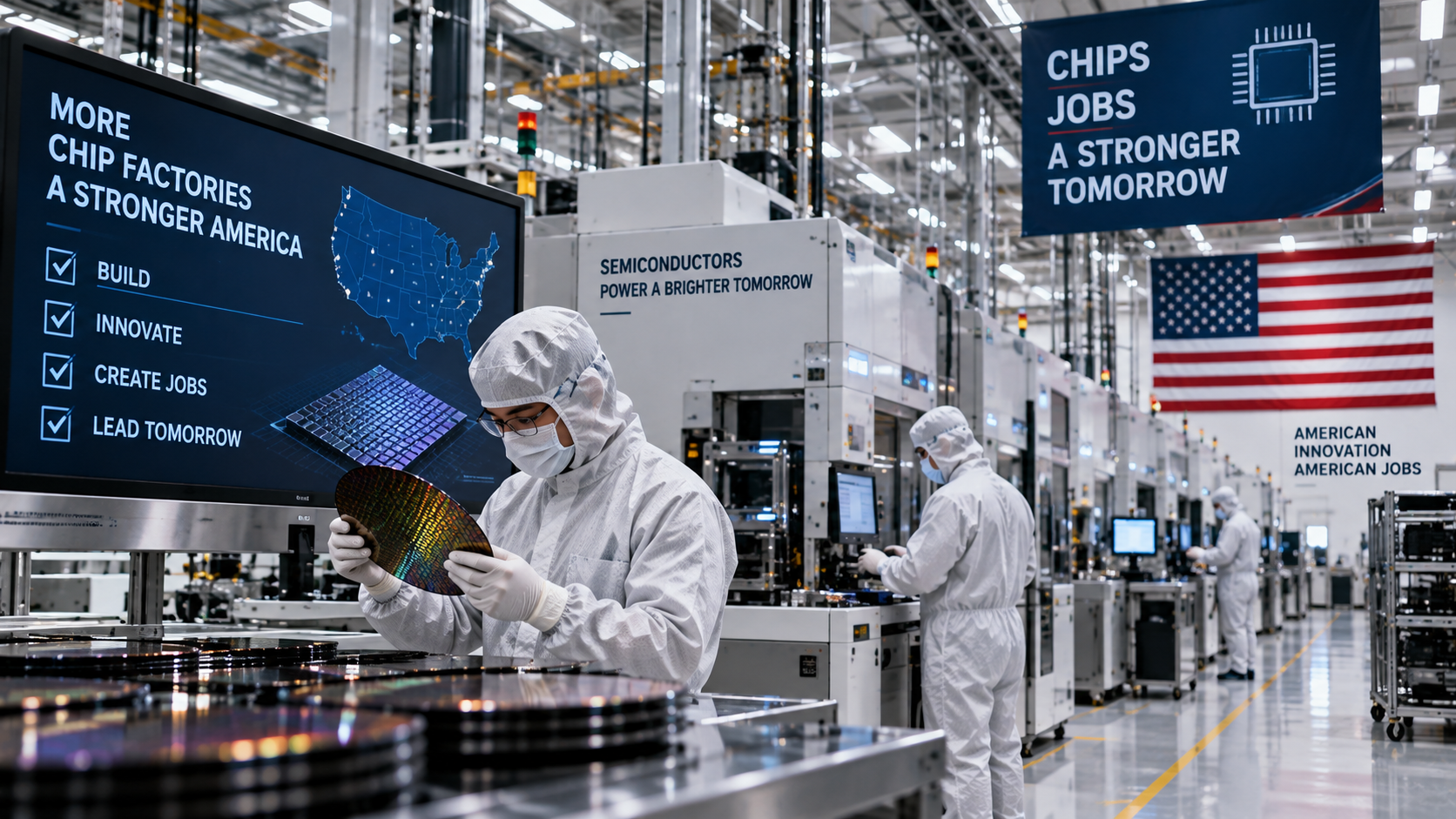
The United States is spending tens of billions of dollars building the factories. It's the workers that nobody has quite figured out yet.
A new analysis from the SEMI Foundation and McKinsey & Company projects the US semiconductor industry could face a shortfall of between 127,000 and 157,000 workers by 2030, even as chipmakers including Samsung and Micron race to staff new domestic fabrication plants built to meet surging demand for AI hardware.
The numbers behind the shortage are stark. Only about 3% of US engineering graduates enter the semiconductor industry each year, and roughly 73% of semiconductor companies report significant difficulty hiring qualified engineers, according to the report. Jon Taylor, executive vice president of Samsung's semiconductor operations in Austin, Texas, told CNBC the company is struggling simply to find enough qualified candidates for the roles it needs to fill.
The scale of the buildout driving this demand is genuinely enormous. Samsung's $35 billion investment in Taylor, Texas, includes two new fabs expected to create roughly 3,500 jobs, with production at the first facility set to begin later this year. Micron, meanwhile, is building the first advanced memory fabrication plant in the US in Boise, Idaho, alongside an additional facility in Clay, New York — while simultaneously running expedited hiring campaigns at South Korean technical universities, interviewing and hiring students in a single day to secure talent from a region with deeper existing chip-manufacturing expertise.
Retention has become as urgent a problem as recruitment. According to reporting from Startup Fortune, some companies are now offering one-time bonuses averaging around $340,000 per employee specifically to prevent experienced staff from leaving — payouts that, in some cases, exceed an entire year's base salary. When a single retention bonus outpaces annual pay, it signals companies aren't just competing on hiring anymore; they're actively working to stop existing talent from walking straight to a competitor.
That competitive pressure is playing out across the entire industry, not just at Samsung and Micron. TSMC has been converting interns into full-time hires to help fill roughly 6,000 open positions at its Arizona campus, while reports from Texas, Ohio, New York, Oregon, and California point to a consistent pattern: chipmakers, including Intel, GlobalFoundries, and Texas Instruments, increasingly poaching staff from one another rather than expanding the overall pool of qualified workers.
Universities are beginning to respond. Schools including Purdue and Arizona State have launched new semiconductor-focused degree programs, and several major chipmakers are funding expanded training partnerships at technical colleges and universities to help build a longer-term domestic talent pipeline. Those efforts, though, take years to produce meaningfully more graduates — a timeline that doesn't match the urgency of fabs already under construction and racing toward production deadlines.
For an industry central to powering the broader AI boom, the semiconductor sector's challenge increasingly isn't concrete, equipment, or capital — all of which billions of dollars in CHIPS Act-era investment have helped secure. It's people, and there simply aren't enough of them trained and ready to keep pace with how fast America's chip factories are being built.
Have a lead on a story? Email us at tips@kanilprwire.com